Finding the best shampoo for women isn’t just about picking the prettiest bottle on the supermarket shelf or grabbing whatever is on sale. It is a highly personal journey. Your hair is as unique as your fingerprint dictated by genetics, styled by heat, colored by chemicals, and influenced by your local climate and water hardness. What gives your best friend bouncy, commercial-ready waves might leave your hair flat, greasy, or stripped of its natural moisture.
Whether you are looking for a gentle shampoo for girls just starting their own hair care routines, a heavy-duty hydrator for bleached strands, or a clarifying wash for an oily scalp, the foundation of great hair always begins in the shower.
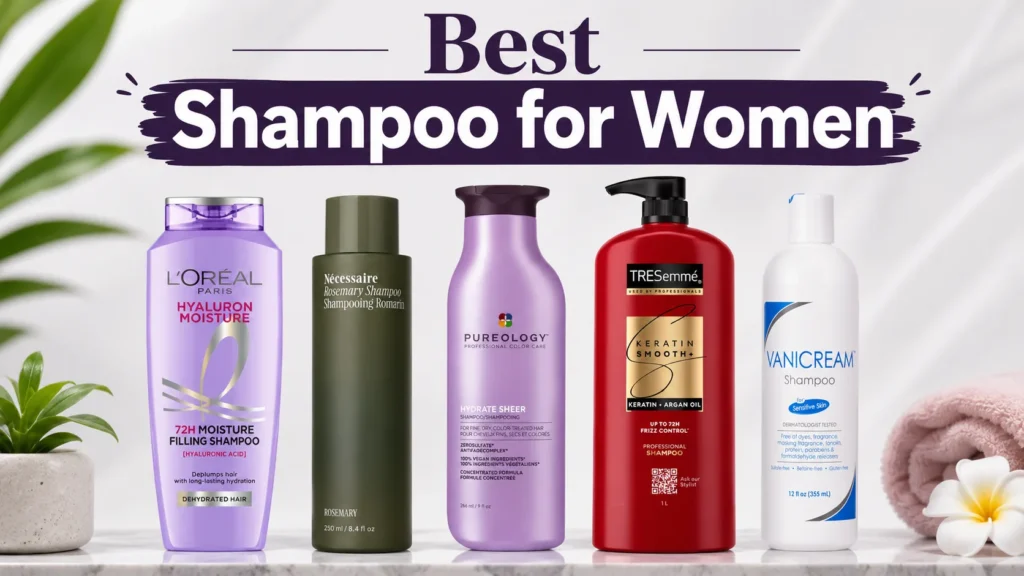
In this comprehensive, deep-dive guide, we are going to break down the science of washing your hair, how to accurately diagnose your scalp type, and review the top five highly-rated shampoos on the market right now. We will look at their ingredients, their pros and cons, and exactly who should be using them.
Grab a cup of coffee, and let’s get into the nitty-gritty of achieving your best hair ever.
Table of Contents
The Science of Hair Washing: What Actually Happens?
Before we can crown the best shampoo for women, we need to understand what shampoo actually does. At its core, shampoo is an emulsifier.
Water and oil do not mix naturally. Your scalp produces sebum (a natural oil) to coat and protect your hair shaft. While sebum is essential for healthy hair, it also acts like a magnet for dirt, pollen, dead skin cells, and product buildup (like dry shampoo, hairspray, and serums). When you rinse your hair with just water, the water simply glides over the oily buildup.
Shampoos contain surfactants (surface-active agents). These molecules have two distinct ends:
- A lipophilic (oil-loving) tail: This end attaches to the sebum, dirt, and product buildup on your scalp.
- A hydrophilic (water-loving) head: This end attaches to the water from your showerhead.
When you massage the shampoo into your scalp and rinse it out, the surfactants pull the oils and dirt away from your skin and hair, allowing them to be washed down the drain. The tricky part is finding a shampoo that removes the excess dirt and oil without stripping away the essential moisture your hair needs to stay flexible and strong.
Decoding Your Scalp and Hair Type
The biggest mistake women make when shopping for hair care is buying products based on their hair ends rather than their scalp. Shampoo is for your scalp; conditioner is for your ends. If you have oily roots but dry, split ends, you need a shampoo designed for an oily scalp and a conditioner designed for dry hair.
1. The Oily Scalp
If your hair feels flat, greasy, or heavy less than 24 hours after washing, you likely have an oily scalp. This is often driven by genetics, hormones, or even overwashing (which tricks your scalp into overproducing oil to compensate).
- What you need: Clear, gel-like shampoos. Look for words like “clarifying,” “volumizing,” or “balancing.” Look for ingredients like salicylic acid, tea tree oil, or rosemary.
- What to avoid: Heavy, creamy, opaque shampoos labeled “moisturizing” or “smoothing.”
2. The Dry/Flaky Scalp
If your scalp feels tight, itchy, or sheds small, dry white flakes (different from the larger, yellowish flakes of dandruff/seborrheic dermatitis), you have a dry scalp.
- What you need: Creamy, hydrating formulas. Look for ingredients like aloe vera, hyaluronic acid, glycerin, and gentle oils.
- What to avoid: Harsh sulfates (like Sodium Lauryl Sulfate) and clarifying shampoos that strip away too much moisture.
3. The Sensitive Scalp
If you are prone to redness, stinging, or allergic reactions (like contact dermatitis) after using heavily fragranced products, you have a sensitive scalp.
- What you need: Fragrance-free, hypoallergenic, and dermatologist-tested formulas.
- What to avoid: Artificial fragrances, essential oils, parabens, and harsh chemical preservatives.
4. The Normal/Balanced Scalp
If you can go 3 to 4 days without washing and your scalp rarely feels itchy or excessively greasy, you have a balanced scalp. You have the flexibility to choose shampoos based on your hair texture (fine, medium, coarse) or chemical treatments (color-treated, bleached).
The Top 5 Best Shampoos for Women: Detailed Reviews
We have curated a list of the top five standout shampoos on the market, ranging from drugstore heroes to high-end salon staples. Here is the ultimate breakdown to help you find your perfect match.
1. TRESemmé Keratin Smooth Shampoo
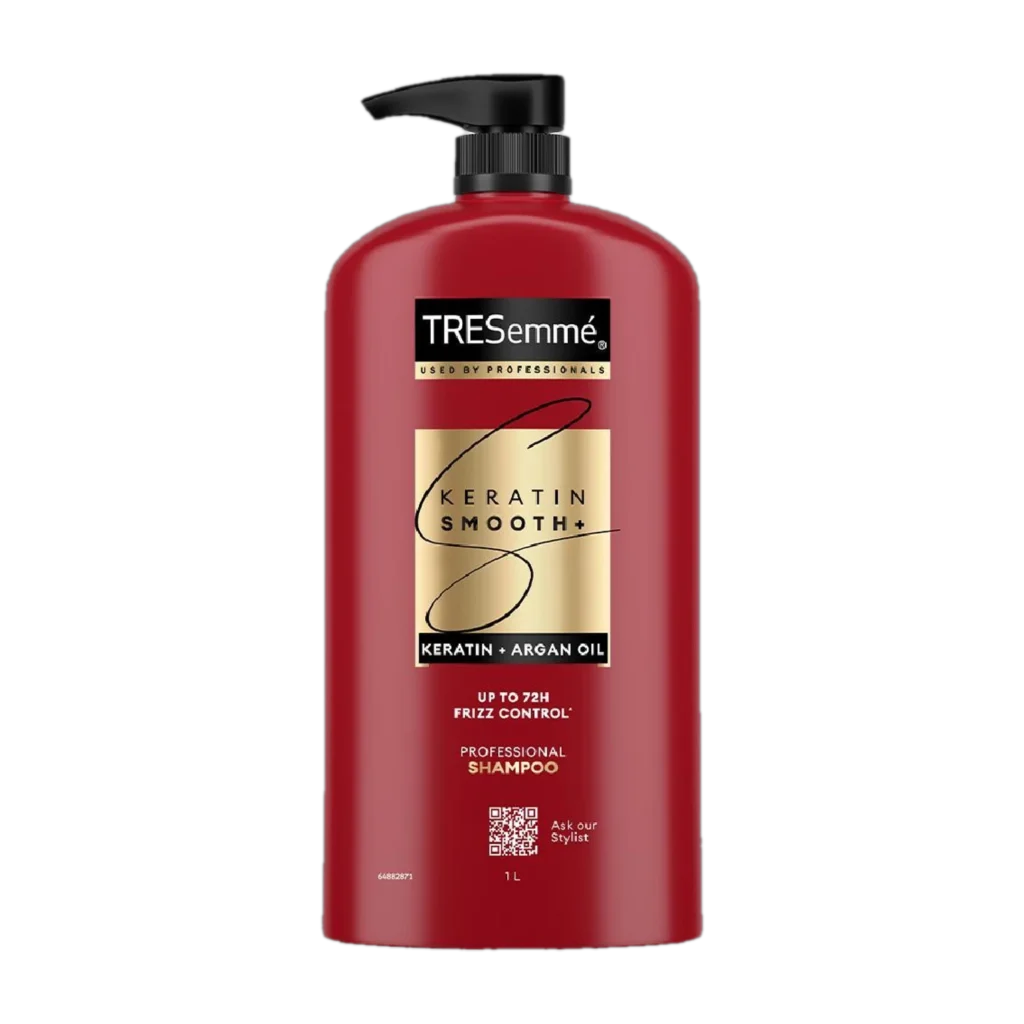
TRESemmé has been a staple in the hair care aisle for decades, known for delivering salon-quality results at a drugstore price. The Keratin Smooth line is specifically formulated to tackle frizz, flyaways, and unruly textures by infusing the hair with hydrolyzed keratin and marula oil.
How It Works: Keratin is the protein that makes up the structure of your hair. When hair is damaged by heat or coloring, the keratin is depleted, leading to a rough cuticle and frizz. This shampoo aims to temporarily fill in those gaps, resulting in smoother, sleeker strands.
- Best For: Medium to coarse hair, frizzy hair, and normal to slightly dry scalps.
- Pros:
- Highly affordable and accessible (available at almost any drugstore or supermarket).
- Provides up to 72 hours of frizz control.
- Leaves hair feeling incredibly soft, sleek, and easy to detangle.
- Lathers richly and cleanses well.
- Cons:
- Contains sulfates, which may strip expensive salon color over time.
- Can be too heavy for very fine hair or oily scalps, leading to a weighed-down look.
- Where to Buy: Check Price on Amazon | Buy at Target
2. Nécessaire The Shampoo (Rosemary)
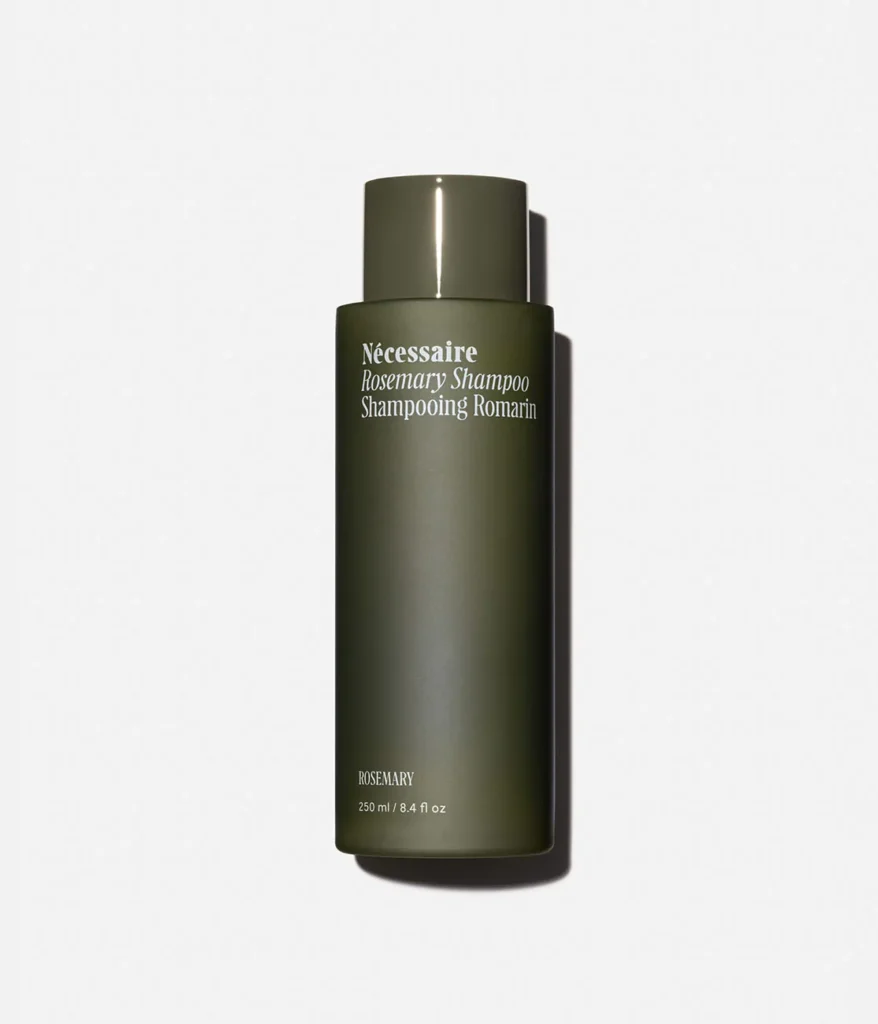
Nécessaire built its cult following on body care, but their foray into hair care is nothing short of spectacular. The Shampoo (particularly the Rosemary iteration) is a clinical-grade, clean-beauty formula designed to support scalp health and encourage thicker, fuller hair growth.
How It Works: This shampoo treats the scalp like an extension of your facial skin. It uses plant-based surfactants to cleanse without stripping, while rosemary oil—a clinically backed ingredient—stimulates blood circulation in the scalp to promote hair growth. It also features a blend of ceramides and hyaluronic acid to lock in moisture.
- Best For: Normal to oily scalps, thinning hair, and those looking for a clean, minimalist beauty routine.
- Pros:
- Sulfate-free, paraben-free, and color-safe.
- Rosemary oil naturally stimulates the hair follicles.
- Packaging is chic, sustainable, and looks beautiful in the shower.
- Excellent for sensitive skin due to the lack of synthetic fragrances.
- Cons:
- Higher price point (luxury beauty category).
- The natural, earthy scent of rosemary might not appeal to those who prefer sweet or floral fragrances.
- Does not produce a massive, fluffy lather due to the lack of harsh sulfates.
- Where to Buy: Check Price on Sephora | Buy on Nécessaire’s Website
3. L’Oréal Paris Elvive Hyaluron Plump Hydrating Shampoo
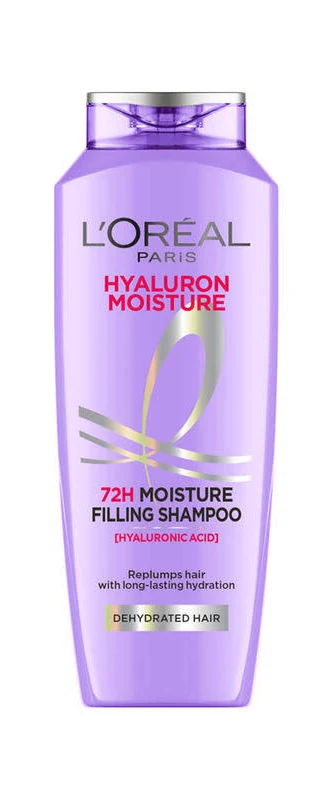
Skincare ingredients have officially taken over the hair care aisle, and L’Oréal’s Hyaluron Plump line is the perfect example. This shampoo went viral on social media for its ability to breathe life back into dehydrated, flat hair without weighing it down.
How It Works: Hyaluronic acid is a humectant capable of holding up to 1000 times its weight in water. When applied to the hair, it draws moisture from the environment into the hair shaft, literally “plumping” the hair fiber to make it look thicker and feel softer.
- Best For: Dehydrated hair, combination hair (oily roots with dry ends), and fine to medium textures.
- Pros:
- Incredibly hydrating without leaving a greasy or heavy residue behind.
- Very affordable drugstore price point.
- Leaves hair bouncy, shiny, and noticeably fuller.
- Features a pleasant, long-lasting fruity/floral scent.
- Cons:
- Contains Sodium Laureth Sulfate (SLES), which provides a great clean but might not be suitable for heavily processed, fragile, or very dry scalps.
- The scent can be slightly overpowering for those sensitive to strong fragrances.
- Where to Buy: Check Price on Amazon | Buy at Ulta Beauty
4. Pureology Hydrate Shampoo
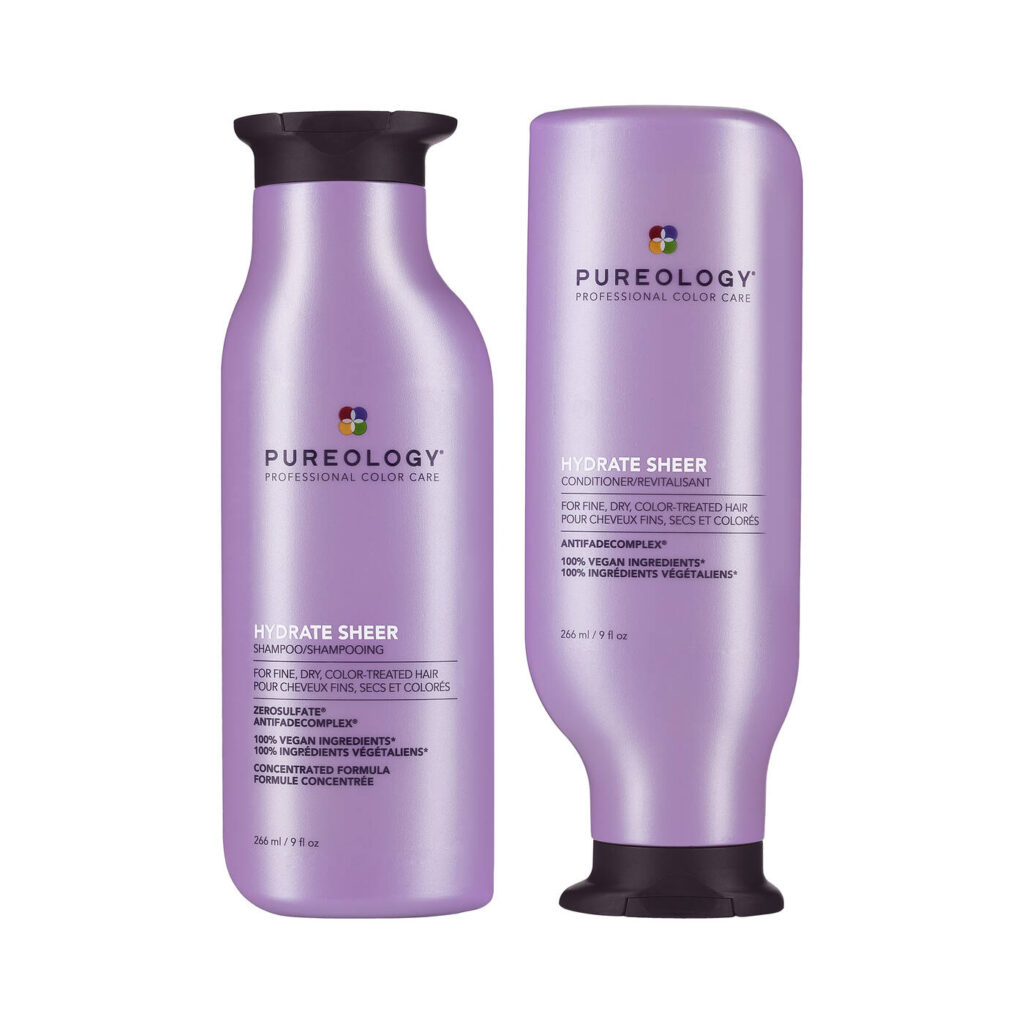
If you have ever had your hair professionally colored, your stylist has likely recommended Pureology. This salon-grade shampoo is considered the gold standard for maintaining vibrant hair color while delivering intense hydration.
How It Works: Pureology utilizes a proprietary AntiFade Complex to protect color vibrancy, along with jojoba, green tea, and sage to deeply moisturize the hair. It is a highly concentrated formula, meaning a tiny dime-sized amount is enough to create a rich, luxurious lather.
- Best For: Color-treated hair, dry to very dry hair, and thick/coarse textures.
- Pros:
- 100% vegan and strictly sulfate-free.
- Exceptional at preserving expensive salon color and preventing fading.
- Has an invigorating, spa-like aromatherapy scent (lavender, bergamot, and patchouli).
- Highly concentrated, so one bottle lasts a very long time.
- Cons:
- Expensive upfront cost.
- Can be too heavy and moisturizing for very fine hair, causing it to fall flat.
- The strong aromatherapy tingle (from mint/menthol elements) might irritate highly sensitive scalps.
- Where to Buy: Check Price on Sephora | Buy on Ulta Beauty
5. Vanicream Free & Clear Gentle Shampoo
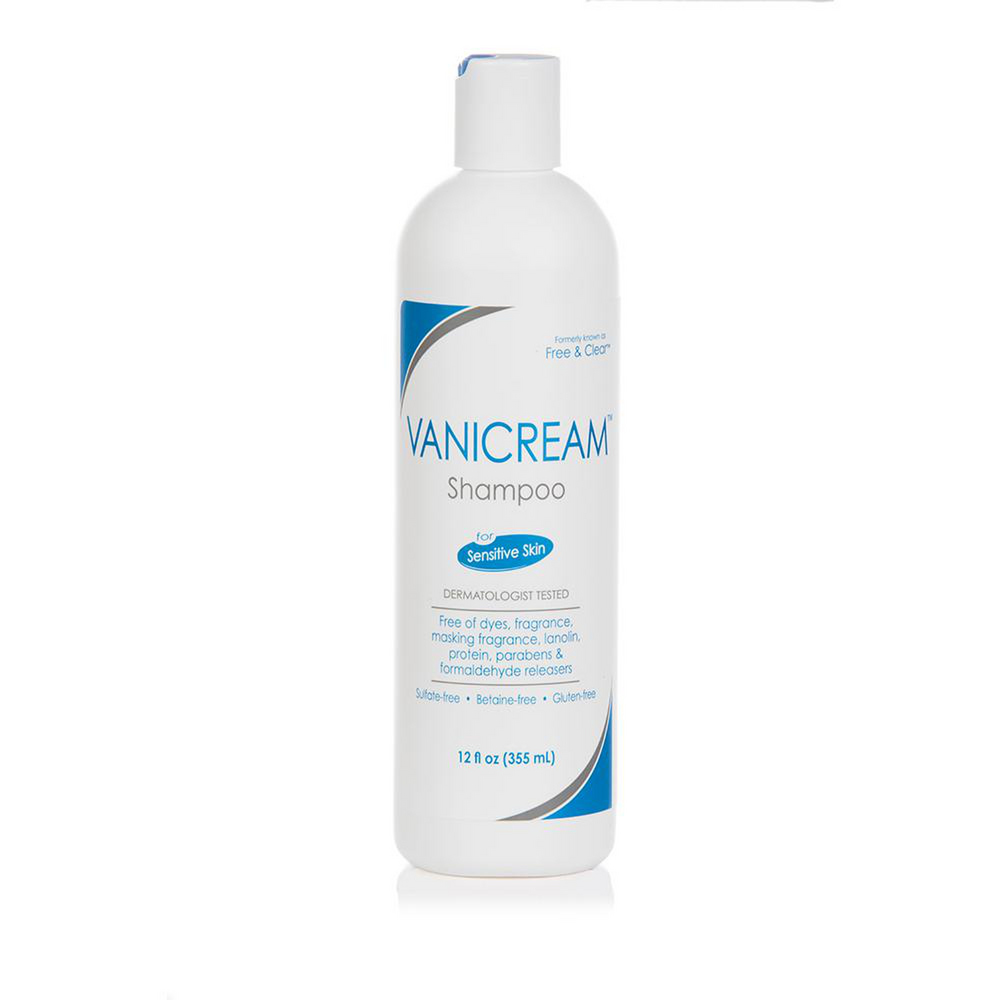
Sometimes, the best shampoo for women is the one that does the least. Vanicream is a brand revered by dermatologists for its strict adherence to creating hypoallergenic, non-irritating products. The Gentle Shampoo (formerly Free & Clear) is an absolute lifesaver for highly reactive skin.
How It Works: This formula strips away every single potential irritant. It removes dirt, oil, and buildup using the mildest possible cleansers, ensuring the skin barrier remains intact and unbothered.
- Best For: Highly sensitive scalps, eczema, psoriasis, contact dermatitis, and allergy-prone skin. It is also an excellent, safe shampoo for girls or teenagers with reactive skin.
- Pros:
- Free of dyes, fragrance, masking fragrance, lanolin, parabens, and formaldehyde releasers.
- Sulfate-free and betaine-free.
- Dermatologist recommended for chronic scalp conditions.
- Effectively removes flaking and scaling without chemical exfoliants.
- Cons:
- Zero sensory experience (no smell, very basic lather).
- Can leave hair feeling slightly tangled or “squeaky,” meaning a good conditioner is absolutely mandatory afterward.
- Packaging is purely medical and functional, not aesthetic.
- Where to Buy: Check Price on Amazon | Buy at Walgreens
Ingredient Red Flags and Green Lights
When flipping over a bottle of shampoo, the ingredient list can look like an advanced chemistry textbook. Here is a simplified guide to what you should look for, and what you might want to avoid depending on your hair type.
The “Red Flags” (Proceed with Caution)
- Sulfates (SLS and SLES): These are aggressive detergents that create a foamy lather. While excellent at removing oil and dirt, they can strip away natural oils and fade hair color. If you have very greasy hair, a sulfate shampoo once a week might be beneficial. If your hair is dry or colored, stick to sulfate-free.
- Silicones (Dimethicone, Cyclomethicone): Silicones coat the hair shaft to make it look shiny and feel smooth. However, they are not water-soluble. Over time, they can build up on the hair, blocking moisture from getting in and causing the hair to become brittle and snap.
- Parabens: Used as preservatives to prevent bacteria growth in your shampoo. While regulatory bodies deem them safe in small amounts, many women prefer paraben-free formulas due to concerns about them acting as endocrine (hormone) disruptors.
The “Green Lights” (Look for These)
- Glycerin & Hyaluronic Acid: Brilliant humectants that draw moisture into the hair, perfect for dry and dehydrated strands.
- Argan Oil & Jojoba Oil: Lightweight natural oils that mimic the scalp’s natural sebum, providing moisture and shine without immense weight.
- Hydrolyzed Proteins (Keratin, Wheat, Soy): These proteins temporarily patch up holes in the hair cuticle caused by heat and chemical damage, strengthening the strand.
- Salicylic Acid: A beta-hydroxy acid (BHA) that gently exfoliates the scalp, breaking down dead skin cells and excess oil. Ideal for oily or dandruff-prone scalps.
The “Perfect Wash” Routine: Step-by-Step
Having the best shampoo for women won’t help if your washing technique is wrong. Yes, there is a “correct” way to wash your hair.
Detangle Before You Shower:
Hair is in its weakest, most fragile state when it is wet. Use a wide-tooth comb or a wet brush to gently remove tangles before you step into the water. This prevents massive breakage and shedding during the wash.
Soak Thoroughly:
Don’t just briefly wet your hair. Stand under warm (not scalding hot) water for a full 60 seconds. Your hair needs to be completely saturated for the shampoo to emulsify and spread evenly.
The First Lather (Focus on the Scalp):
Pour a quarter-sized amount of shampoo into your palms and rub them together to activate the product. Apply it only to your roots and scalp. Use the pads of your fingers (never your fingernails) to massage the scalp for 1-2 minutes. The first wash breaks down the barrier of oil and styling products.
Rinse and Repeat (The Double Cleanse):
Rinse the first lather out. It probably didn’t foam much—that’s normal! Apply a slightly smaller amount of shampoo and wash the roots again. This second wash is what actually cleans the skin now that the surface oil is gone. You will notice a much richer lather this time.
Rinse the Ends Gently:
Do not scrub the ends of your hair. As you rinse the shampoo out of your roots, the suds will run down the length of your hair, gently cleansing the ends without causing friction or damage.
Condition Properly:
Squeeze excess water out of your hair. Apply conditioner strictly to the mid-lengths and ends. Leave it on for 3-5 minutes before rinsing with cool water to seal the cuticle.
Hair Care Through the Ages and Stages
A woman’s hair goes through dramatic changes throughout her life, heavily influenced by hormonal shifts. Your “holy grail” shampoo at age 20 might ruin your hair at age 40.
Shampoo for Girls and Teenagers
During puberty, hormonal fluctuations often cause the sebaceous glands to go into overdrive, leading to highly oily scalps and roots, even if the hair is washed daily.
- The Strategy: Avoid heavy, moisturizing adult shampoos. Look for lightweight, gentle daily cleansers. The Vanicream Gentle Shampoo or a basic clarifying shampoo is excellent here. Teach young girls to focus the lather solely on the scalp to avoid drying out the ends of their hair.
Postpartum Hair Changes
Around 3 to 6 months after giving birth, many women experience telogen effluvium (postpartum hair loss). The sudden drop in estrogen causes hair that was kept in the “growing” phase during pregnancy to suddenly fall out.
- The Strategy: Treat the scalp with immense care. Avoid heavy silicones that weigh down thinning hair. Volumizing shampoos and scalp-stimulating formulas, like Nécessaire The Shampoo with Rosemary, can help encourage healthy regrowth and make the existing hair look fuller.
Aging and Menopausal Hair
As women age and go through menopause, estrogen drops and androgen levels rise. This causes the hair follicle to shrink, resulting in finer, thinner hair. Additionally, oil production decreases, leading to a chronically dry scalp and wiry, brittle gray hairs.
- The Strategy: Moisture is paramount. Gray hair lacks pigment and naturally has a rougher cuticle. Highly hydrating and smoothing formulas, like the Pureology Hydrate Shampoo or TRESemmé Keratin Smooth, are vital for softening wiry grays and maintaining elasticity to prevent breakage.
Common Hair Washing Mistakes to Avoid
Even with the best products, certain habits can sabotage your hair goals. Are you guilty of any of these?
- Washing with Scalding Hot Water: Hot water feels amazing, but it blasts the hair cuticle open, allowing moisture and color to escape. It also dries out the scalp, which can trigger it to produce more oil to compensate. Stick to lukewarm water.
- Using Too Much Dry Shampoo: Dry shampoo is a lifesaver, but it is technically a powder that absorbs oil; it doesn’t actually clean your hair. Relying on it for days on end causes the powder to mix with sebum, creating a paste that clogs hair follicles and can lead to inflammation and hair loss.
- Towel Scrubbing: Stepping out of the shower and aggressively rubbing your hair with a standard cotton terrycloth towel creates immense friction. This roughs up the cuticle, causing frizz and breakage. Instead, gently squeeze the water out with a microfiber towel or an old, soft cotton t-shirt.
- Skipping Regular Clarifying: If you use silicone-based serums, heat protectants, or hard water (water high in calcium and magnesium), your regular shampoo won’t cut it. Once or twice a month, you need to use a dedicated clarifying shampoo to strip away the stubborn mineral and product buildup.
Looking for the Best Shampoo for Men?
If you’re shopping for yourself or looking for recommendations for a partner, husband, brother, or friend, check out our dedicated Best Shampoo for Men. It covers:
- The best shampoos for oily, dry, sensitive, and dandruff-prone scalps
- Top picks for thinning hair and everyday use
- Expert tips for choosing the right shampoo based on hair type and lifestyle
- Product recommendations across different budgets
👉 Read our complete guide: The Best Shampoo for Men (2026): Complete Buying Guide
Pro Tip: Don’t limit yourself to products marketed specifically for men or women. In most cases, the key differences are the fragrance, packaging, and branding. The most important factor is choosing a shampoo with ingredients that match your scalp type and hair care needs.
Frequently Asked Questions
1. How do I choose the best shampoo for my scalp type?
The best shampoo depends on your scalp type, not just your hair texture. If you have an oily scalp, choose a clarifying or balancing shampoo with ingredients like salicylic acid or tea tree oil. For a dry scalp, look for hydrating ingredients such as glycerin, aloe vera, or hyaluronic acid. If your scalp is sensitive, opt for fragrance-free, sulfate-free, dermatologist-tested formulas. Choosing a shampoo that matches your scalp’s needs helps maintain healthy hair and scalp balance.
2. Is sulfate-free shampoo better for women?
Sulfate-free shampoo is generally a better choice for women with color-treated, dry, curly, damaged, or sensitive hair because it cleanses without stripping away natural oils. However, women with very oily scalps or frequent product buildup may benefit from using a sulfate shampoo occasionally for a deeper cleanse. The best option depends on your hair goals and scalp condition.
3. How often should women wash their hair?
There is no one-size-fits-all answer. Women with oily scalps may need to wash every 1–2 days, while those with dry, curly, or textured hair often only need to shampoo once or twice a week. The ideal washing frequency depends on your scalp’s oil production, hair type, lifestyle, and product usage. Washing when your scalp feels greasy, itchy, or has noticeable buildup is generally the best approach.
4. What ingredients should I look for in a good shampoo?
A high-quality shampoo should contain ingredients that support your scalp and hair health. Look for moisturizing ingredients like glycerin, hyaluronic acid, argan oil, jojoba oil, and hydrolyzed keratin for hydration and repair. For oily or dandruff-prone scalps, ingredients such as salicylic acid, zinc pyrithione (where available), or tea tree oil can help manage excess oil and flakes. Avoid harsh ingredients if you have a sensitive scalp or chemically treated hair.
5. Can using the wrong shampoo damage your hair?
Yes. Using a shampoo that doesn’t match your scalp or hair type can lead to problems such as excessive dryness, oiliness, scalp irritation, frizz, color fading, or product buildup. For example, a heavy moisturizing shampoo may weigh down fine, oily hair, while a strong clarifying shampoo can dry out a sensitive or dry scalp. Selecting a shampoo based on your scalp type and hair concerns is one of the most effective ways to maintain healthy, manageable hair.
Need Expert Help with Your Hair or Scalp?
If you’re experiencing persistent hair fall, dandruff, scalp irritation, itching, or thinning hair despite using the right shampoo, it may be time for a professional scalp evaluation. Our dermatologists can identify the underlying cause and recommend a personalized treatment plan.